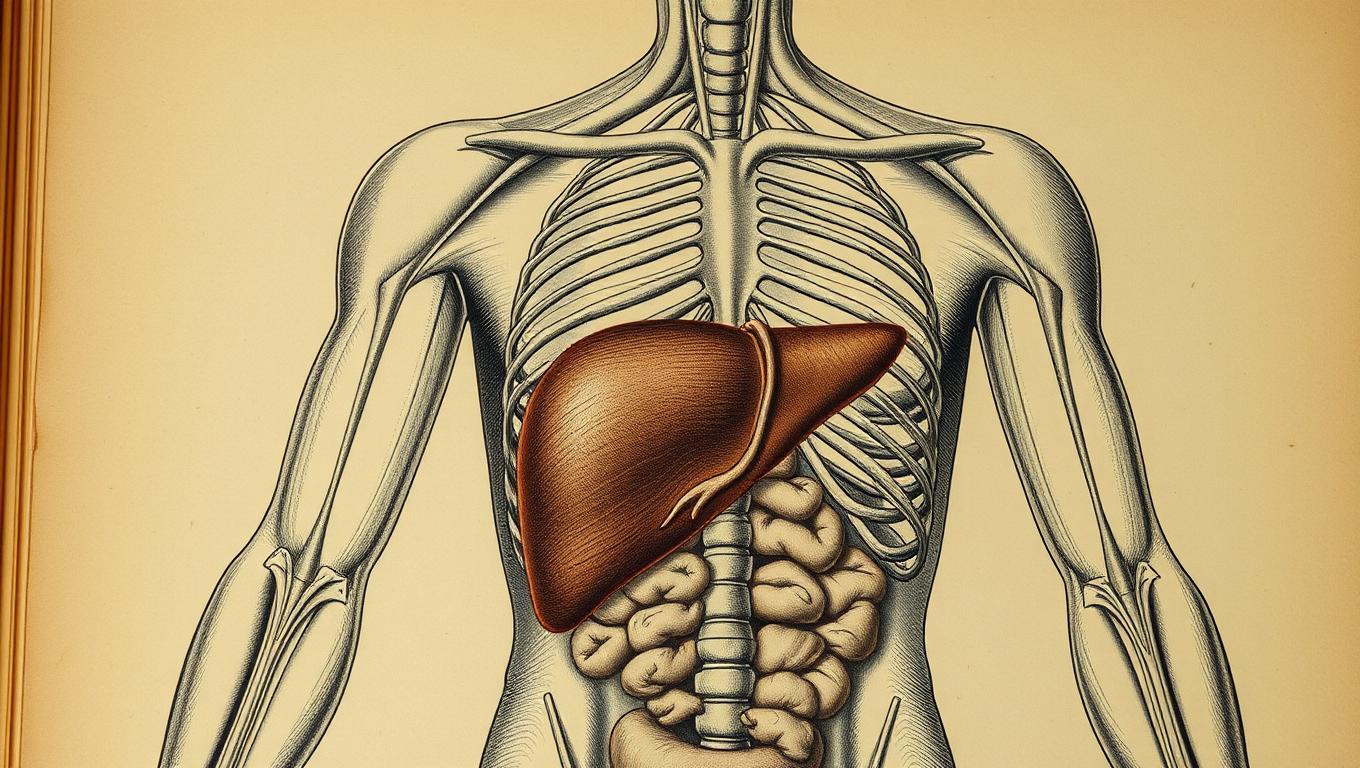
Your liver doesn’t ask for much. It filters everything you eat, drink, and breathe; it sorts nutrients from waste; it helps balance your hormones and your blood sugar — quietly, around the clock. Most of us never think about it until something feels off.
And modern life asks a lot of it. We’re carrying a heavier load than our grandparents did: processed food, alcohol, medications, and a steady drip of chemicals from packaging, cleaners, and air. When the liver gets behind, you tend to feel it before any lab does.
Signs your liver might be carrying too much
You don’t need a diagnosis to recognize the pattern. The classic signs of an overworked liver — the kind aromatherapy and natural-health references have pointed to for decades — read like a list of everyday complaints:
- Sluggish mornings and a slow metabolism
- Foggy focus and irritability — moods that swing
- Poor or uncomfortable digestion, gas, bloating
- Trouble losing weight no matter what you try
- Skin that’s broken out or dull
- Frequent headaches
Sound familiar? None of these prove anything on their own. But together they often point to a system that could use a little support — and a little support is exactly the kind of thing you can do at home.
Why the liver works the night shift
If you’ve spent any time around traditional Chinese medicine, you’ve met the body clock: the idea that each organ has a window when it’s most active. The liver’s window is 1:00–3:00 a.m. — the deep middle of the night, when your body does its quiet repair work.
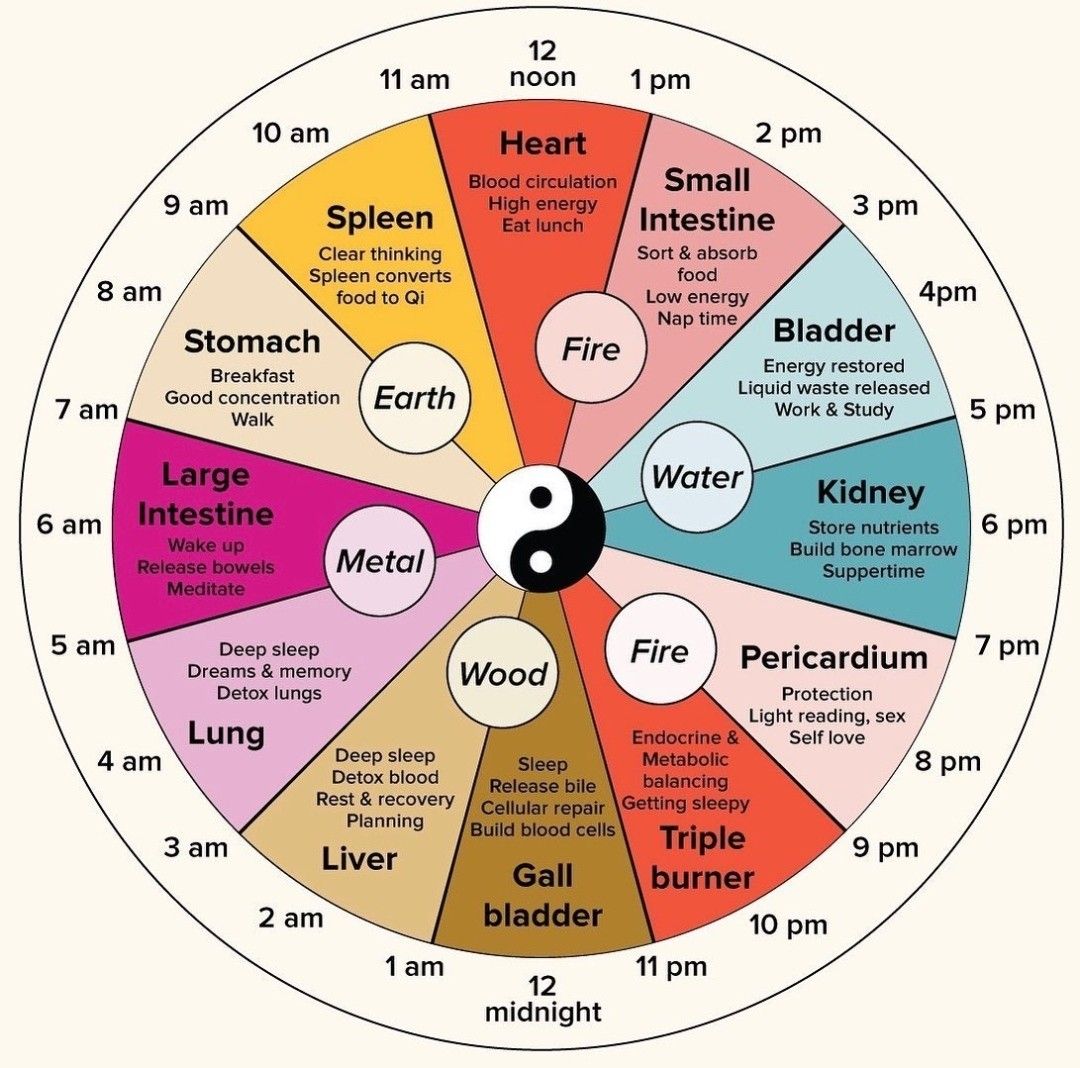
You don’t have to take the body clock literally to take the hint from it: the liver does its hardest work while you rest, so the most natural time to support it is in the evening, before bed. That timing is the whole reason a simple bedtime body-oil ritual makes so much sense.
The ritual: a Liver Support Body Oil
Here’s the tool: a warm, pleasant body oil you massage over your liver before bed. The act of slowing down, warming the oil in your hands, and spending two minutes on yourself is half the point.
The blend is sesame seed oil carrying six essential oils that have earned their place in liver and lymphatic blends for generations: fennel, geranium, rosemary, Roman chamomile, blue tansy, and helichrysum. If that combination looks familiar to essential-oil folks, it should — it’s the same six-oil family found in Young Living’s JuvaFlex, a blend made for liver and lymphatic support. This is our barefoot, make-it-yourself take on that classic.
Sesame is the carrier for a reason: it’s a warming, deeply absorbing oil with a long history in Ayurvedic self-massage (abhyanga). It carries the essential oils into the skin and feels grounding going on.
What’s in it, and why
| Oil | Why it’s in a liver blend |
|---|---|
| Fennel | Warming and carminative; the traditional “digestive and lymphatic” note |
| Geranium | Balancing; a classic skin-and-liver tonic that rounds out the aroma |
| Rosemary | Bright and stimulating; long tied to circulation and the liver |
| Roman chamomile | Calming and soothing — small but mighty, it gentles the whole blend |
| Blue tansy | Deep-blue, anti-inflammatory, and beautifully soothing on skin |
| Helichrysum | The prized “everlasting” oil — regenerative, and the star of the blend |
Make it yourself
This is a 2 fl oz (60 mL) bottle at a gentle 2.5% dilution — safe for daily use over a broad area.
You’ll need:
- 60 mL (2 fl oz) organic sesame seed oil
- A clean 2 oz amber or cobalt glass bottle
- The essential oils below
The blend (30 drops total):
| Oil | Drops |
|---|---|
| Fennel (sweet) | 8 |
| Geranium | 7 |
| Rosemary | 5 |
| Roman chamomile | 4 |
| Blue tansy | 3 |
| Helichrysum | 3 |
Steps:
- Add the essential oils to the empty bottle first — all 30 drops.
- Top with sesame oil to fill, cap, and roll it gently between your palms to combine. (Don’t shake hard.)
- Label it with the name and the date.
- Optional: a few drops of vitamin E to help it keep. Stored cool and dark, it’s good for about a year.
Want it stronger and more targeted? Put the same 30-drop blend into a ½ oz (15 mL) bottle instead for a concentrated oil you apply just a few drops at a time over the liver. That’s closer to how the original JuvaFlex is used.
How to use it
Best in the evening, before bed — ahead of your liver’s 1–3 a.m. window.
- Warm a small amount in your palms.
- Massage 2–4 drops over your liver — the right side, just under your rib cage — using slow, clockwise circles.
- For a fuller ritual, massage a few drops into the soles of your feet and along your spine — both are classic reflex areas.
- Finish with a warm cloth over your middle for a minute or two — the heat helps the oil absorb and feels wonderful.
Add a lymphatic minute (optional). Because this blend leans toward lymphatic support too, it pairs naturally with light gua sha or simple downward strokes along the neck and collarbone to encourage drainage. A smooth stone and a few extra drops of oil are all you need.
Pairing it with a cleanse or a body-type reset
A body oil is a topical ritual — it works best as one piece of a bigger, gentler picture. If you’re already eating with intention, this is the evening bookend to that effort.
Readers following our Body Type work will recognize the fit: several of the 25 body types lean on the liver and digestion, and the Intestinal type’s gentle cleanse is a natural moment to add an evening liver-oil ritual. (There’s even a dedicated Liver body type in the system — if that’s you, this one’s practically made for your nightstand.)
The food does the heavy lifting from the inside; the oil is the two-minute, hands-on bookend that helps you actually feel like you’re caring for yourself.
A few honest cautions
Natural doesn’t mean “anything goes.” This blend is gentle, but:
- Skip it during pregnancy, and if you have a history of seizures — that’s the fennel and rosemary, and it’s the standard guidance.
- Patch test first: a drop on your inner forearm, wait a day.
- Good news on sun: there’s no citrus here, so no sun-sensitivity worries.
- Blue tansy is blue: it tints the oil a gorgeous deep blue-green and can faintly mark light fabric, so let it soak in before you dress.
The barefoot part
The point of making this yourself isn’t to save a few dollars (though you will). It’s that you’ll know exactly what’s in it — six oils and a seed oil, every one of which you can name and pronounce. No mystery “fragrance,” no filler. You made it, so you trust it.
That’s the whole idea around here: fewer, better things, made by your own hands.
Make it the easy way
Want this recipe as a printable card for your workbench? Get the printable Liver Support Body Oil card — we’ll email you the PDF, along with the occasional recipe worth making.
Don’t have all six oils on hand? We carry them — shop the blend ingredients, or grab a ready-made bottle and skip straight to the ritual.
Sources & further reading
- Essential Oils Desk Reference, 7th ed., Life Science Publishing, 2016 — JuvaFlex blend (p. 154); Liver Health and the signs of an overloaded liver (pp. 318–320); cleansing (pp. 321–323).
- Carolyn L. Mein, D.C., Different Bodies, Different Diets / The 25 Body Type System — Intestinal and Liver body-type profiles.
- Traditional Chinese medicine organ body clock (liver: 1–3 a.m.).